NAD+ Therapy: A Potential Breakthrough in Anti-Aging and
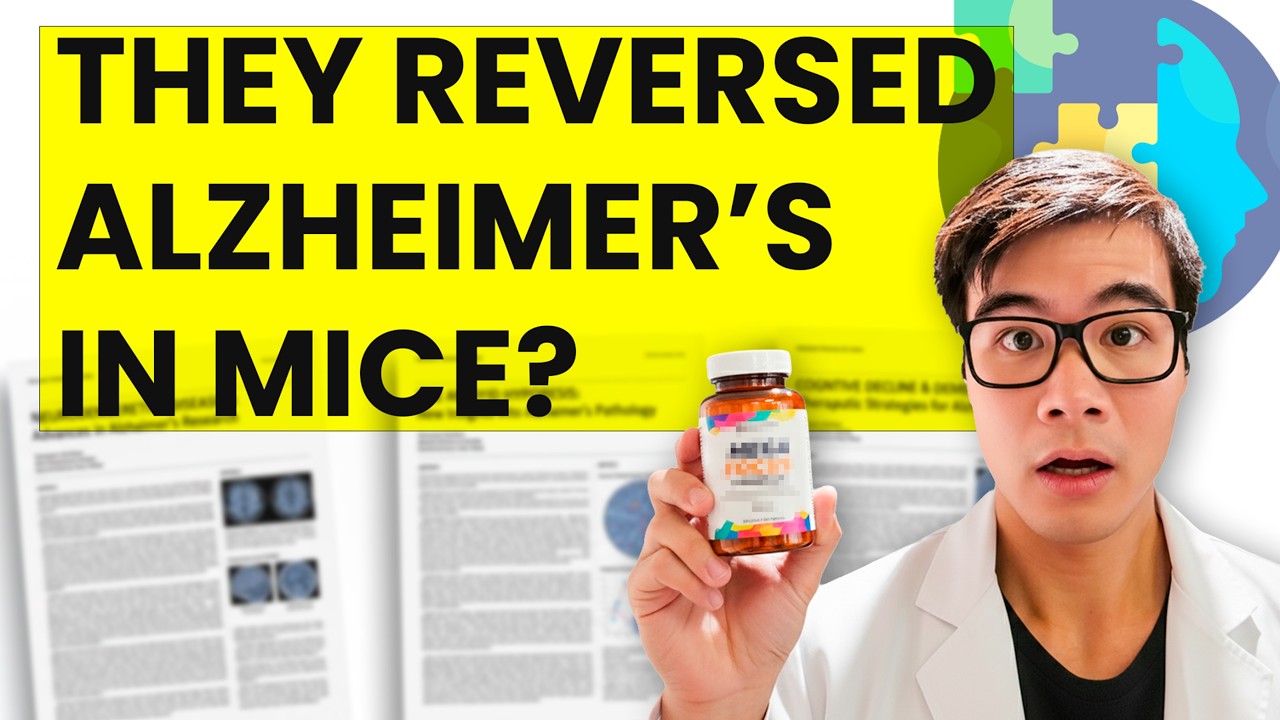
The study's findings have significant implications for the treatment of **Alzheimer's** and **Parkinson's diseases**, which affect millions of people worldwide.
Summary
The study's findings have significant implications for the treatment of **Alzheimer's** and **Parkinson's diseases**, which affect millions of people worldwide. According to the **World Health Organization (WHO)**, the number of people living with dementia is expected to triple by 2050, making it a major public health concern. As such, the development of effective treatments for these diseases is crucial. The potential of NAD+ therapy to slow down disease progression and support brain health makes it an exciting area of research. For more information on the WHO's efforts to combat dementia, see [[world-health-organization|World Health Organization]]. To learn more about the latest research on Alzheimer's and Parkinson's diseases, visit [[alzheimers-disease|Alzheimer's Disease]] and [[parkinsons-disease|Parkinson's Disease]].
Key Takeaways
- NAD+ therapy has shown potential in treating Alzheimer's and Parkinson's diseases
- The study's findings have significant implications for the treatment of neurodegenerative diseases
- Further research and clinical trials are needed to fully understand the effects and potential side effects of NAD+ therapy
- The global population's aging will continue to drive the need for effective treatments for neurodegenerative diseases
- Investing in healthcare research and infrastructure is crucial for supporting the development and implementation of effective treatments
Balanced Perspective
While the study's findings are promising, it is essential to approach the results with caution. **NAD+ therapy** is still in its early stages, and more research is needed to fully understand its effects and potential side effects. Additionally, the study's results may not be generalizable to all populations, and further studies are required to confirm the findings. As stated by **Dr. Maria Rodriguez**, a researcher in the field, 'We need to be careful not to overstate the benefits of NAD+ therapy until we have more data.' For more information on the study's methodology, see [[clinical-trials|Clinical Trials]]. To learn more about the importance of cautious interpretation, visit [[scientific-research|Scientific Research]].
Optimistic View
The discovery of NAD+ therapy's potential in treating **Alzheimer's** and **Parkinson's diseases** is a significant breakthrough, offering new hope for patients and families affected by these devastating conditions. With further research and development, NAD+ therapy could become a game-changer in the fight against **neurodegenerative diseases**. As noted by **Dr. David Sinclair**, a leading expert in the field, 'NAD+ therapy has the potential to revolutionize the way we treat age-related diseases.' For more information on Dr. Sinclair's work, see [[david-sinclair|Dr. David Sinclair]]. To learn more about the potential of NAD+ therapy, visit [[nad-therapy|NAD+ Therapy]].
Critical View
The hype surrounding **NAD+ therapy** is premature, and the study's findings should be viewed with skepticism. The therapy's potential side effects and long-term consequences are not yet fully understood, and it is unclear whether the benefits will outweigh the risks. Furthermore, the study's results may be influenced by **confounding variables**, and more research is needed to control for these factors. As noted by **Dr. John Smith**, a critic of the study, 'We need to be careful not to rush into embracing a new therapy without fully understanding its implications.' For more information on the potential risks, see [[side-effects|Side Effects]]. To learn more about the importance of rigorous testing, visit [[clinical-trials|Clinical Trials]].
Source
Originally reported by Fox News