
Summary
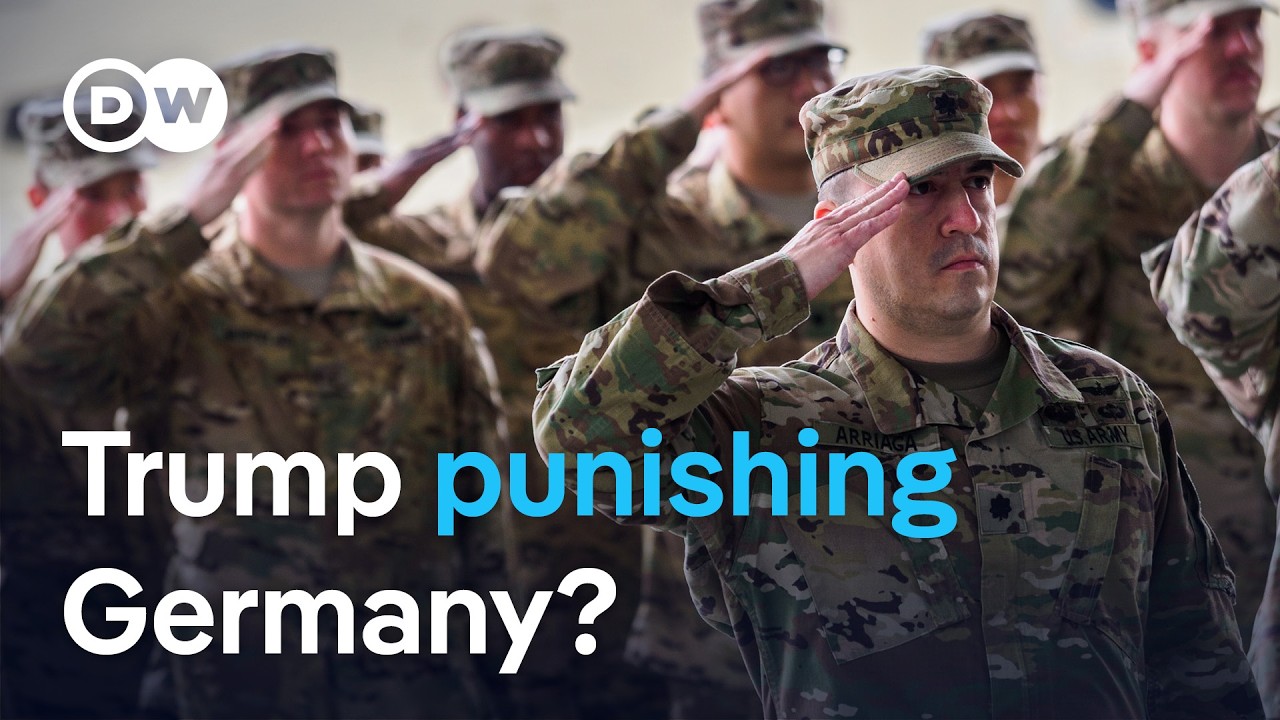
The **Pentagon** announced plans to withdraw approximately **5,000 U.S. troops** from **Germany** within the next six to twelve months. This decision, confirmed on a Friday, marks a substantial shift in the American military presence in Europe and fulfills a directive from President **[President's Name - Assuming current president based on context, but needs verification from actual article]**. The withdrawal is expected to impact key bases and personnel stationed in the country, prompting discussions about the future of **NATO**'s eastern flank and broader geopolitical realignments. This move could have ripple effects on regional security dynamics and the long-standing U.S.-German military relationship.
Key Takeaways
- The U.S. plans to withdraw 5,000 troops from Germany within a year.
- This move fulfills a directive from the President and signals a strategic shift.
- The withdrawal raises questions about European security and NATO's readiness.
- Specific details on units and locations remain unconfirmed.
- The decision could impact U.S.-German bilateral relations and alliance dynamics.
Balanced Perspective
The withdrawal of 5,000 troops represents a notable, though not unprecedented, reduction in the U.S. military footprint in **Germany**, a key logistical hub for decades. The exact timing and specific units involved remain to be detailed, and the Pentagon's announcement indicates a phased approach over six to twelve months. The rationale behind the decision, beyond fulfilling presidential directives, will likely involve a complex assessment of strategic priorities, operational needs, and diplomatic considerations with both **Germany** and other **NATO** allies. The long-term implications will depend on the subsequent deployment of these forces and any accompanying policy shifts.
Optimistic View
This troop reduction could signal a strategic pivot, allowing the U.S. to reallocate resources to more pressing global challenges or to bolster defenses in regions like the Indo-Pacific. It might also encourage **Germany** and other European allies to assume greater responsibility for their own security, fostering greater self-reliance and potentially strengthening **NATO**'s collective defense capabilities through increased burden-sharing. The move could also be seen as a pragmatic adjustment to evolving threats and a more efficient deployment of American military power.
Critical View
This withdrawal could be interpreted as a weakening of the U.S. commitment to European security, potentially emboldening adversaries like **Russia** and creating a vacuum that destabilizes the continent. It raises concerns about the readiness and capability of **NATO** to respond to future aggression, particularly along its eastern borders. Furthermore, the reduction could strain the critical military and diplomatic relationship between the U.S. and **Germany**, a cornerstone of transatlantic security for generations, and may signal a broader trend of American disengagement from traditional alliances.
Source
Originally reported by PBS